A FRESH PERSPECTIVE / WILDER BAILEY

Still using yesterday’s playbookin today’s world?

Keep the experience. Question the assumptions.

Some of your strategy still serves you. Some of it deserves another look.

Let’s look at it together A conversation. A fresh perspective. No obligation.
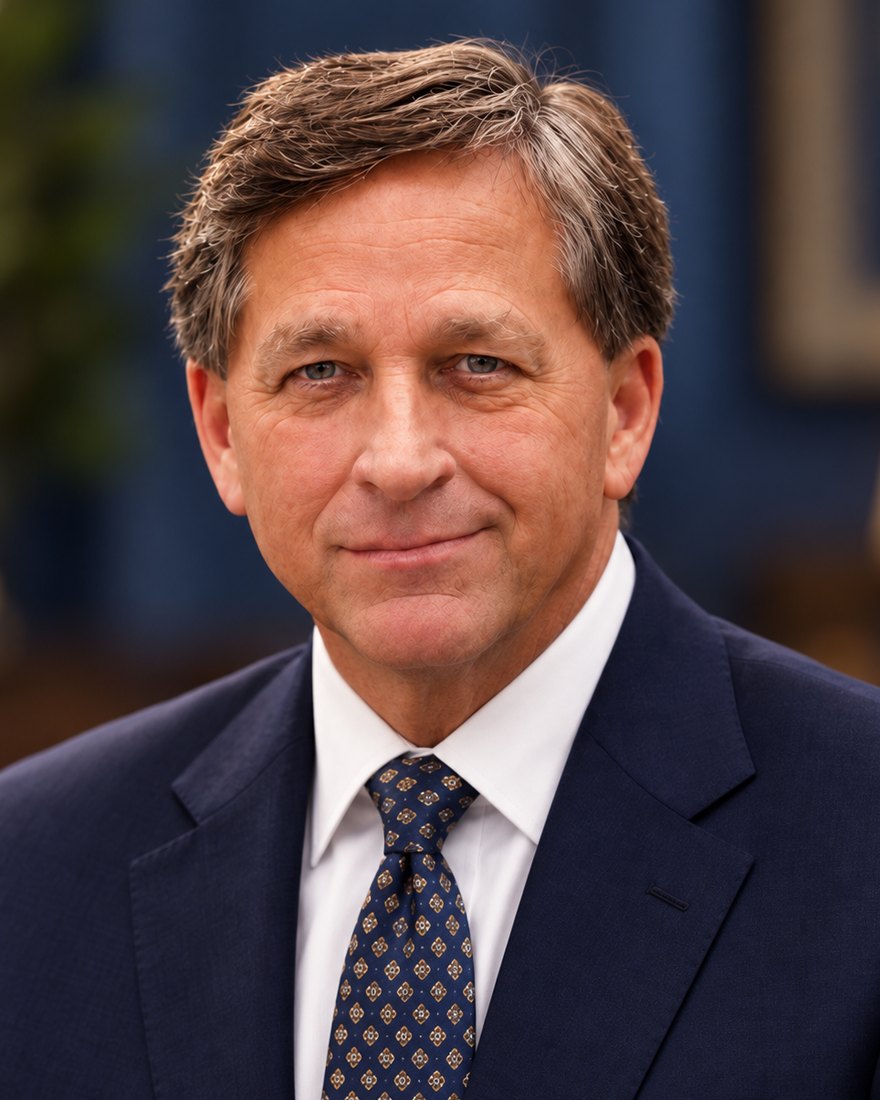
Wilder Bailey, independent fiduciary advisor
Wilder BaileyIndependent fiduciary advisor
Independent
No parent company. No product shelf. No sales quota.
Fee-Only
Paid by clients, not by commissions or product sponsors.
Fiduciary
Legally required to put client interests first.
30 Years, Four Resets
2000. 2008. 2020. 2022. Experience through the decisions that followed.
What Is Changing

The assumptions that built the last thirty years are being tested.

Four forces are changing the environment retirees have depended on.

01
Inflation
Yesterday’s assumption

Inflation is a two-percent background hum. A COLA and a four-percent withdrawal keep pace with it.

What’s actually true

It hasn’t been two percent in years, and there’s no good reason to assume it returns there soon. Every year the old number is wrong, a plan built on it falls a little further behind — and that gap compounds.

The Creature That Ate America →
02
Debt
Yesterday’s assumption

Federal debt is Washington’s problem. It doesn’t reach my retirement account.

What’s actually true

It reaches it through interest rates, through the dollar, and eventually through what gets taxed. Every plan built on cheap money assumed a condition, not a law.

Three Roads Ahead →
03
Valuation
Yesterday’s assumption

I’m diversified — I own the whole index.

What’s actually true

The index is no longer the whole market. A handful of companies now drive most of its movement, which makes owning it a more concentrated bet than it looks.

The Buffett Indicator →
04
Geopolitics
Yesterday’s assumption

Energy, supply chains, and the dollar’s standing are background conditions that sort themselves out.

What’s actually true

They are being renegotiated right now, and central banks have been voting on it with gold for several years running.

A Reckoning Without Borders →

You don't have to guess which pressure moves first. You just have to be ready for it — and that's the part I can help you with.

About Wilder’s Books

Think Like a Survivor. Invest Like a Strategist.

Navigating today's markets takes more than software — it takes a sense of history. Mine was shaped by Black Monday, the dot-com collapse, the 2008 crisis, and the very different world investors face now. I wrote this book to share what those decades taught me. It is one of three; the others take on the Federal Reserve, and the psychology that keeps retirees holding what they would no longer buy.

Learn More →All Three Books →
HOW THE PRACTICE IS BUILT

Independent judgment. Institutional resources.

The relationship stays personal and independent. The infrastructure behind it does not have to be small.

Independent where it matters

Advice built around your interests.

As a fiduciary RIA, Bailey Financial Services works for clients—not a brokerage, a product shelf, or a sales quota.

01Your interests come first under a fiduciary standard.
02No sales quotas or proprietary-product pressure.
03Transparent fees and independent research.
How I operate →
Supported where it helps

More resources behind the advice.

Behind the scenes, AssetMark provides research, risk tools, technology, and operational support. That leaves more time for the decisions that actually affect your retirement.

Independent advice does not have to mean doing everything alone.
How the AssetMark partnership supports your plan →
Let’s Talk

Let’s look at your retirement together.

You don’t have to agree with my outlook to find out whether your plan is prepared for what comes next.

Bailey Financial Services, Inc.
Wilder Bailey
Watkinsville, Georgia
Wilder@BaileyFS.net
READ AN EXCERPT

Think Like a Survivor,
Invest Like a Strategist

By Wilder Bailey · Introduction and Chapter One
Approximately 3 minutes

From the introduction

Let me start with a simple truth: the world is not as it was. The financial markets you're counting on for your retirement — the ones that used to hum along with relative predictability — are more bloated, more fragile, and more manipulated than at any other time in modern history. I don't say that lightly. I say it because I've seen it. I live in these markets every day. And I want to help you understand what's coming.

I've spent my career working with employees and retirees of Southern Company, Georgia Power, and others who have poured decades into their careers, only to face a retirement landscape that feels increasingly uncertain. Many of them are asking the same questions: Will my money last? Can I trust this market? What should I be doing differently? Those questions deserve straight answers. This book is my attempt to provide them.

You see, I believe we are nearing the edge of a major market correction — one that could rewrite retirement plans across the country. This isn't about pessimism. It's about pattern recognition. History shows us what happens when debt explodes, central banks lose credibility, and asset prices soar beyond anything fundamentals can justify. And yet here we are, pretending the party can go on forever.

From Chapter One

For years now, the stock market has marched upward like a machine that never tires. The headlines have declared "new highs" so many times that most people have stopped asking the only question that matters: Is this sustainable?

The truth is, markets don't go up forever. They never have. But somewhere along the way — thanks to ultra-low interest rates, government bailouts, and a media machine that spins optimism like cotton candy — investors started believing that the laws of financial gravity no longer apply. That we've entered a new era where prices can rise indefinitely and risk has somehow been outlawed.

That belief is a dangerous illusion.

Let's rewind. In the late 1990s, during the Dot-Com bubble, people genuinely believed that tech stocks could only go up. Earnings didn't matter. Valuations were irrelevant. If a company had a website and a pulse, it got a billion-dollar valuation. When that fantasy finally burst, the Nasdaq lost over 75% of its value in less than three years. Retirements were delayed. Fortunes vanished. Reality returned.

Then came the housing bubble. In the early 2000s, the myth shifted from tech to real estate. Americans were told their home values would always go up. That mortgages didn't need to be verified. That debt was wealth. And again, the fantasy crashed. Lehman Brothers collapsed. The market melted. And the average investor — trusting in the system — paid the price.

Today, we're living through the third and possibly final act of this trilogy: the Everything Bubble. Stocks, bonds, real estate, even collectibles have been pumped up by years of cheap money and zero interest rates. Companies that lose money quarter after quarter still command sky-high valuations. The U.S. government runs massive deficits as if they're inconsequential. Meanwhile, the Fed continues to walk a tightrope, pretending they can tame inflation without tipping the whole thing over.

But here's the scary part: most financial advisors aren't warning their clients. Why? Because they're either too afraid to rock the boat, or too invested in a system that rewards blind optimism. I've chosen a different path. I believe the greatest danger is not being too cautious — it's being too complacent.

End of selected excerpts. Continue reading in the book.

View the book on Amazon ↗