
When the Fed Chair Stops Pretending
At his March 18 press conference, Federal Reserve Chairman Jerome Powell said something that rarely gets said out loud in official settings: that over roughly the past six months, there has been effectively zero net job creation in the private sector, after adjusting for what Fed staff view as overstatement in the payroll data. He described the current state as a "zero employment growth equilibrium" and tied it to a virtual standstill in labor-force growth.
Those words did not come from a critic outside the system. They came from the chairman of the Federal Reserve. And they deserve more attention than the weekly noise of financial media tends to allow.
The Debt Ceiling Nobody Talks About
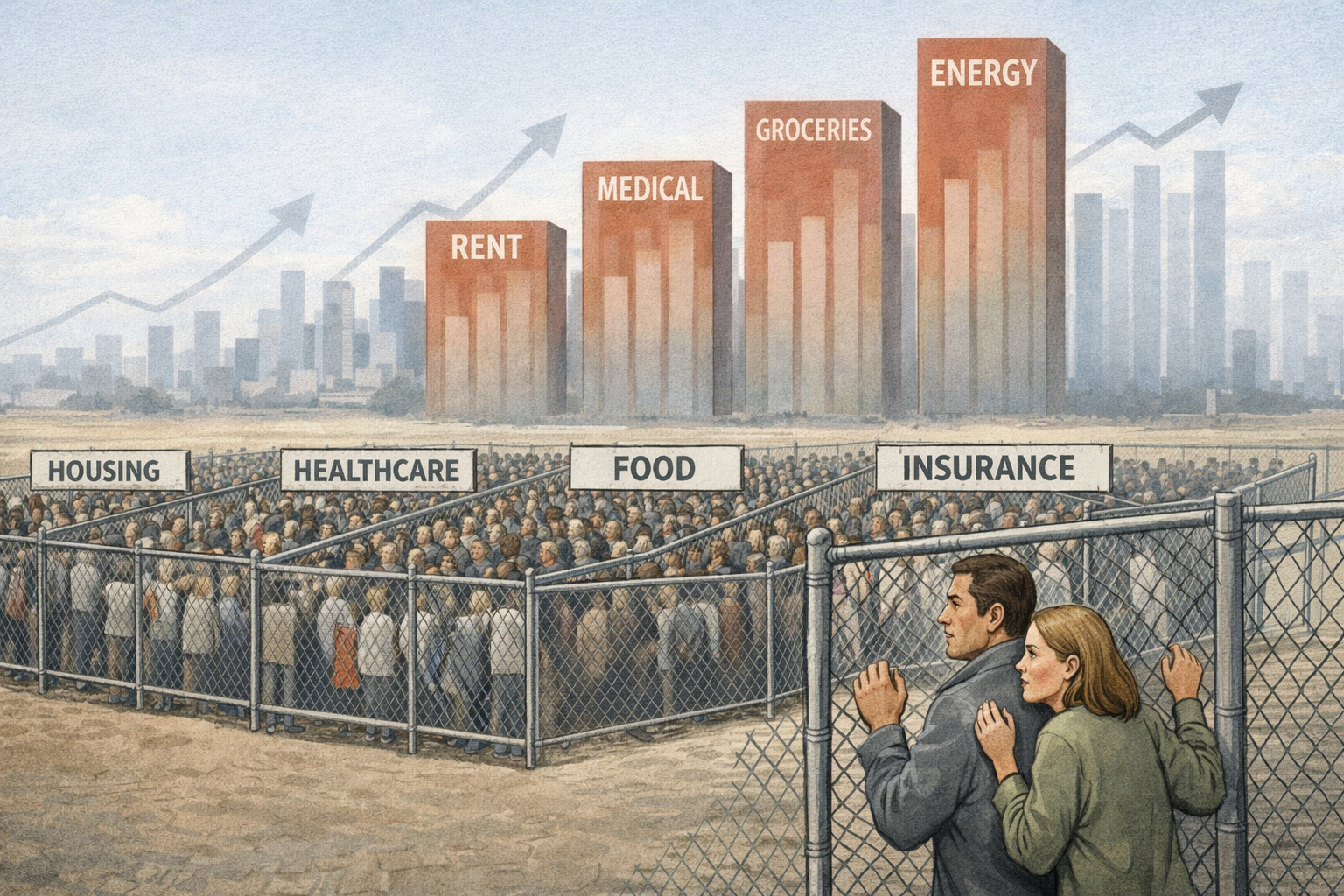
Here is the sequence that concerns me. Americans have responded to relentless price pressure the way they almost always do: they borrowed. Consumer credit card balances have hit record highs. Buy-now-pay-later debt is exploding in categories that didn't used to require financing — groceries, gas, utility bills. Households are rolling high-interest debt forward month after month, telling themselves it's temporary, that something will give.
When Currency Debasement Leads to Bigger Government
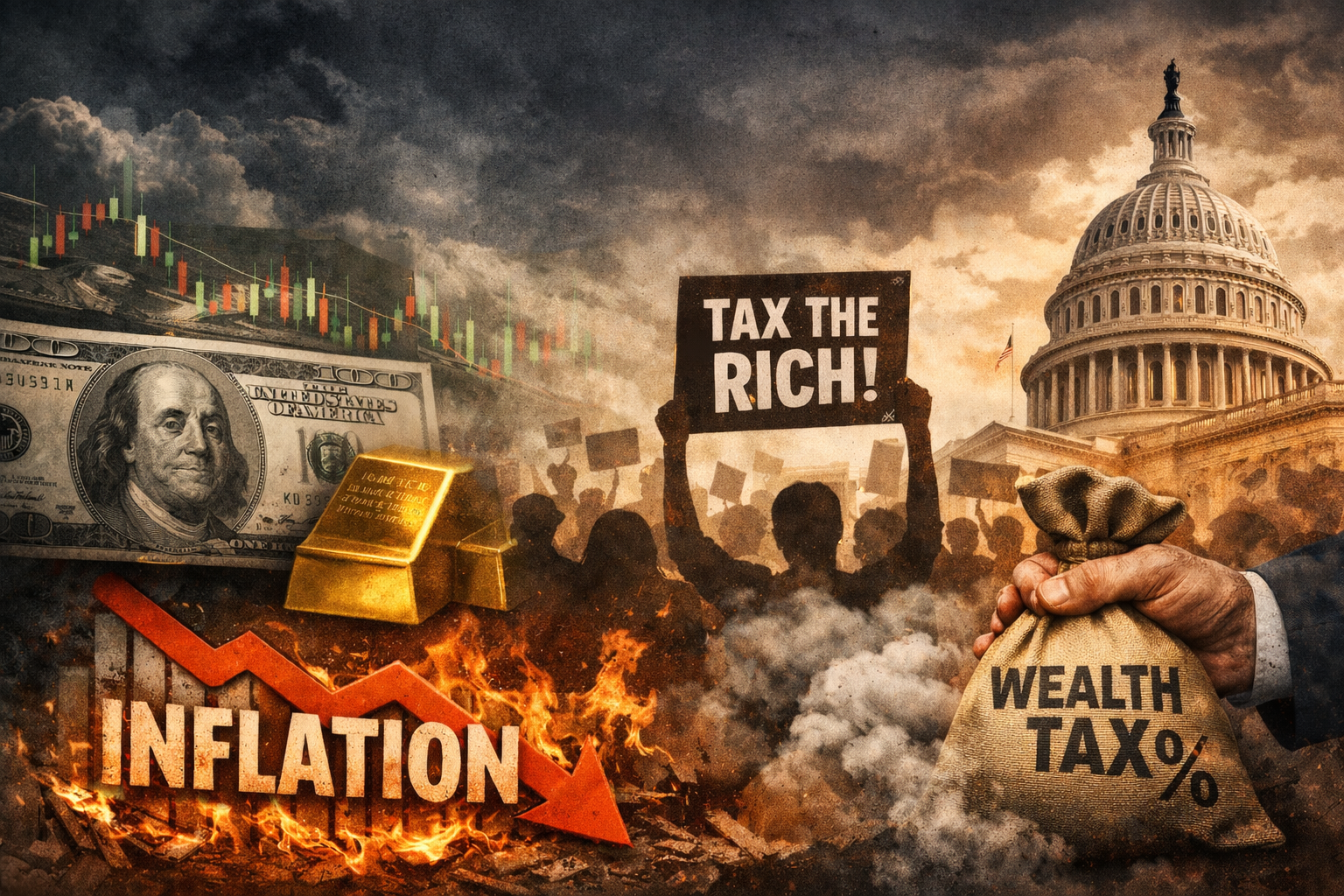
One of the most dangerous forces in an economy is not just inflation itself, but what inflation does to the structure of society over time. When a currency is steadily debased, the damage spreads far beyond the cost of groceries, fuel, housing, and insurance. It begins to alter how wealth is built, how savings are preserved, and how people interpret the fairness of the system around them. In his March 6, 2026 article, Doug Casey argues that inflation tends to help asset owners in the early stages while steadily eroding the position of wage earners, creating conditions that eventually fuel resentment, political instability, and calls for redistribution.

How 33 Kilometers Controls the Global Economy
Squeezed between the rocky shores of Iran to the north and Oman and the United Arab Emirates to the south, the Strait of Hormuz is barely 33 kilometers wide at its narrowest point.
Two shipping lanes — each just three miles across — carry a staggering proportion of the planet's energy supply. It is, by almost any measure, the single most strategically consequential stretch of water on Earth.

Macro Before Micro
We live in a world of constant data. Earnings are released every quarter. Analysts revise price targets daily. Financial media amplifies every market move. It is easy — almost natural — to become consumed with the micro.
But the most important forces shaping your portfolio rarely show up in a single earnings report.
They operate at the macro level.
Understanding the difference between micro and macro thinking is not academic. It is foundational. Especially in periods like the one we are living through now.
The K-Shaped Economy
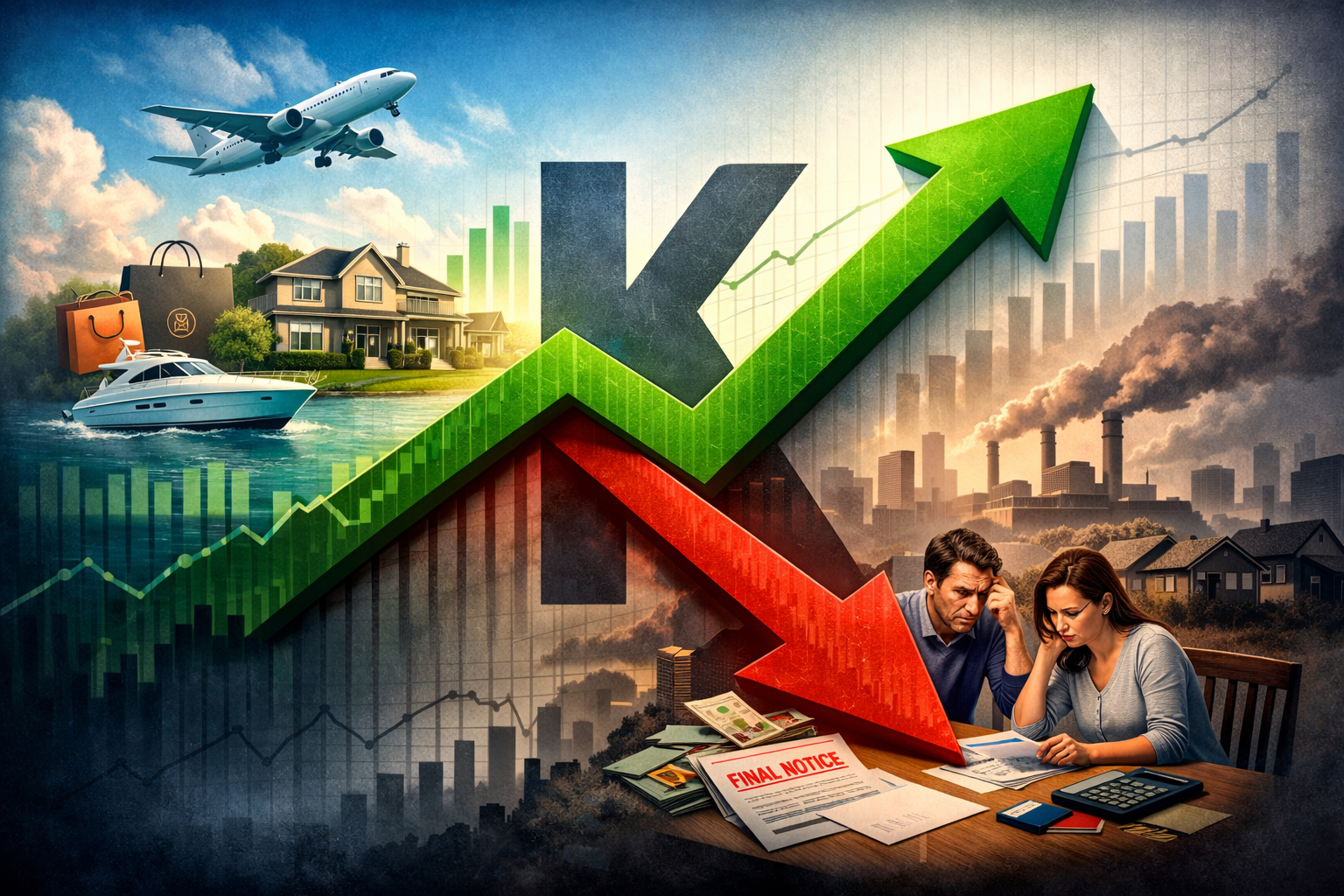
A recent report from CNBC highlights something many families have quietly felt for some time: the American economy is splitting into two very different experiences. Higher-income households continue to spend freely, travel, dine out, and invest. Meanwhile, middle-income families are increasingly leaning on credit cards and struggling to keep up with rising costs. Economists call this a K-shaped economy — where one group moves upward while another moves downward.

Far Removed From Sound Money
When investors understand the monetary backdrop, they position differently. They think differently about risk, liquidity, and diversification.
History shows that excesses eventually reset — not as punishment, but as correction.

Disappointing US Job Data
Recent labor data, amplified by reporting from More Disappointing US Job Data Confirms Trend in Motion, suggests that the U.S. labor market — long considered a pillar of resilience in an otherwise slowing economy — is showing signs of structural weakening rather than temporary fluctuation.
At the heart of this shift are two powerful signals: rising job cuts and falling hiring intentions. According to Challenger, Gray & Christmas data, employers announced over 108,000 job cuts in January 2026, a level not seen for January since 2009 and more than double the comparable figure from the prior year. Meanwhile, hiring plans collapsed to levels barely above zero — the lowest on record for that month since tracking began.
2025: Signals We Shouldn’t Ignore
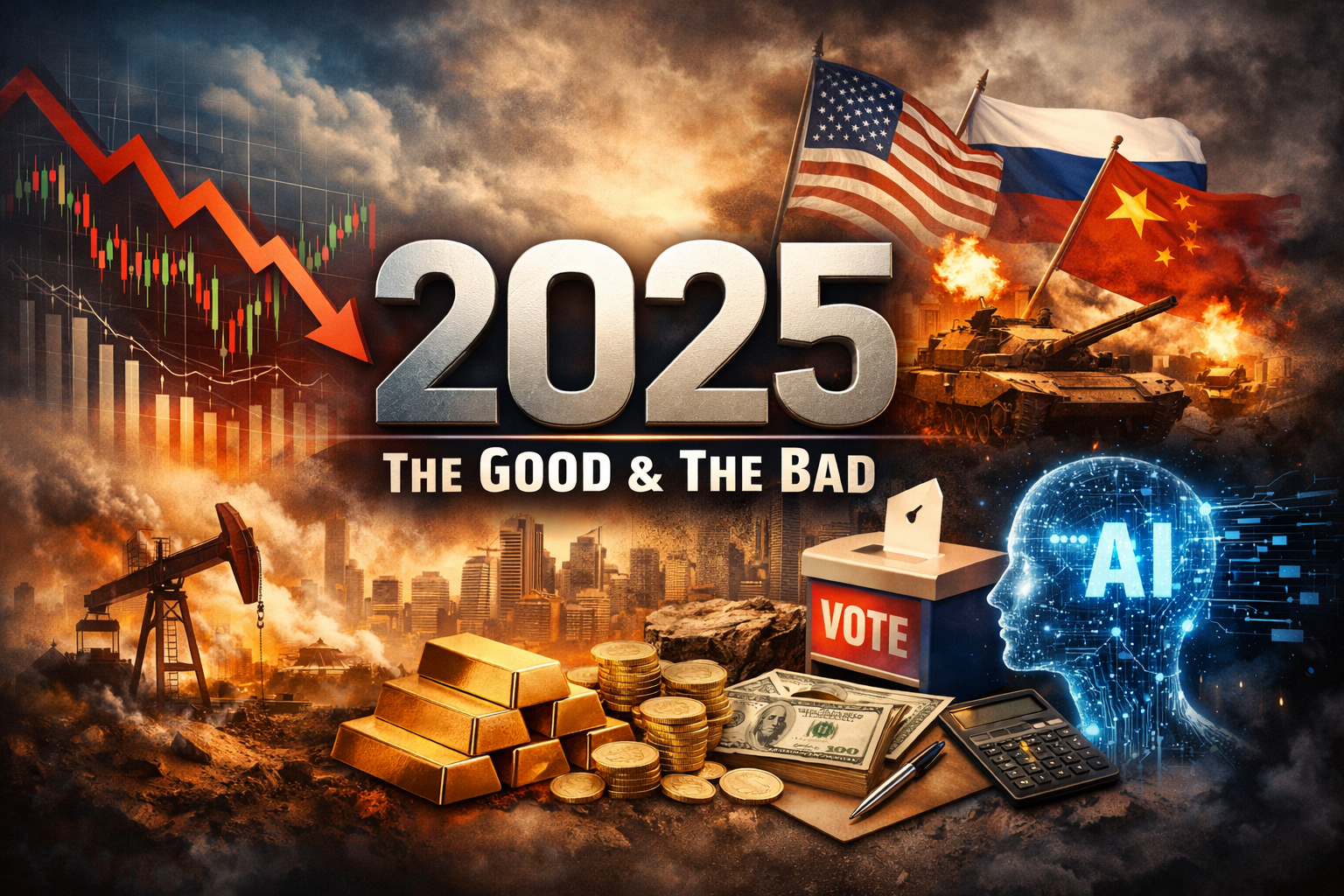
Looking back from early 2026, 2025 stands out as a year that tested both markets and society in quiet but meaningful ways. It wasn’t defined by a single dramatic collapse or euphoric boom. Instead, it was a year of tension — between optimism and reality, liquidity and fundamentals, stability and fragility. For investors and households alike, 2025 delivered mixed results that now read less like noise and more like warning signals.
Inflation: A Dirty Word for “Accommodation”
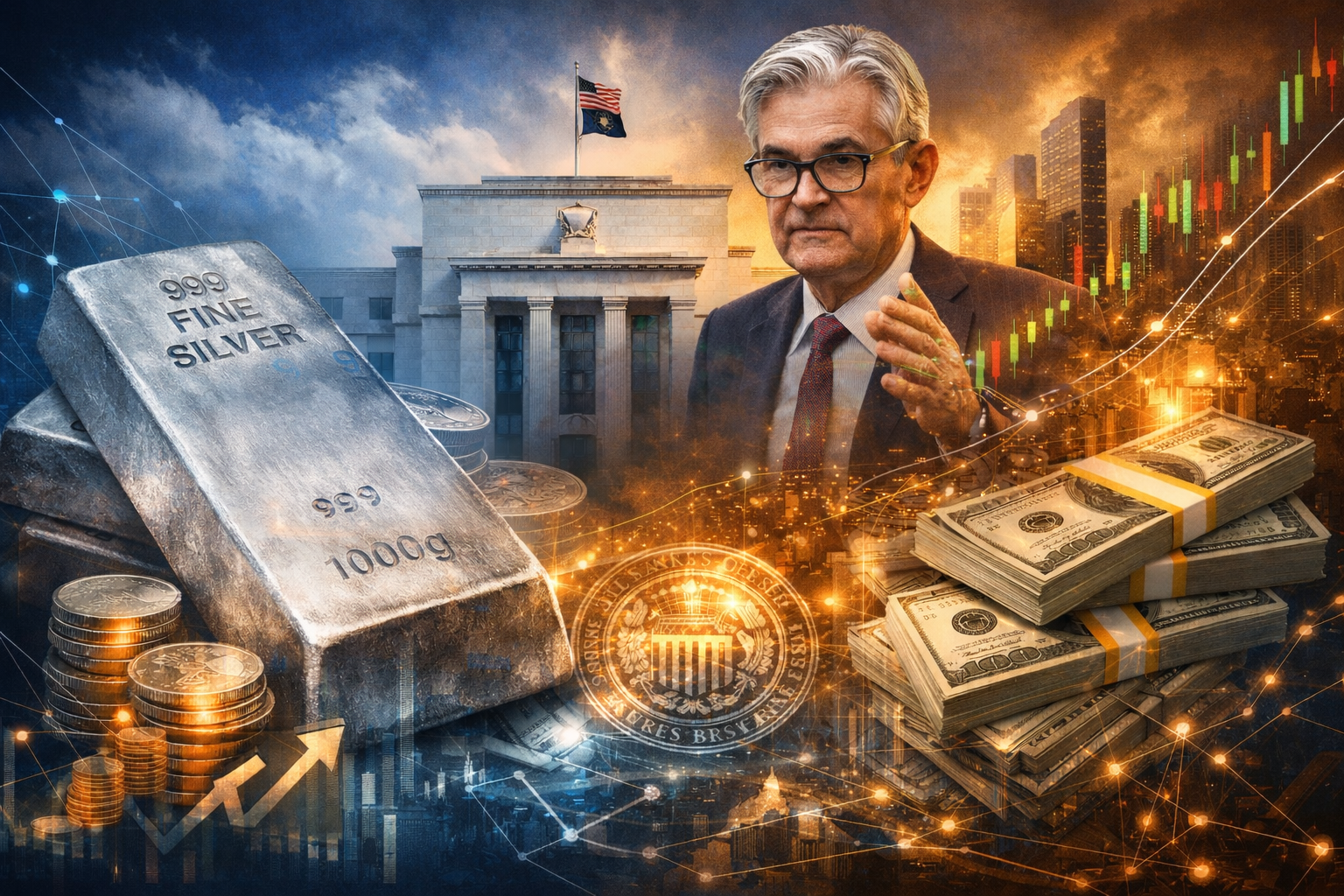
In his recent piece, Inflation: A Dirty Word for Accommodation, George F. Smith cuts straight through the euphemisms that dominate modern monetary discussion. Inflation, he argues, is rarely described honestly. Instead of being acknowledged as a policy choice with real consequences, it is softened by terms like stimulus, accommodation, or support. These words may sound benign, but they mask the same outcome: a deliberate erosion of purchasing power.

Why Keynesian Economics Is Collapsing
For decades, investors have relied—often unknowingly—on a single assumption: when economic stress appears, policymakers will step in and restore balance. That assumption comes from Keynesian economics, the framework developed by John Maynard Keynes in the 1930s. It shaped how governments spend, how central banks intervene, and how portfolios are built.
Today, that framework is breaking down.

When the World Grows Louder, Wisdom Matters More
We are living in a time when wars are no longer distant history lessons or abstract geopolitical debates. They are active, visible, and increasingly interconnected. Even when the fighting is far from our shores, the consequences are not—energy markets, inflation, supply chains, currencies, and ultimately personal financial security are all affected. History reminds us that moments like this reward those who pay attention and punish those who assume “it will all work out.”
Is the Fed’s Liquidity Injection About Silver
Rumors have swirled that the Federal Reserve is quietly supporting large financial institutions — including claims that JPMorgan needed backstops because of positions in silver. While such narratives can capture attention, connecting central bank liquidity solely to a single commodity oversimplifies the complex plumbing of global finance. Meanwhile, financial markets have seen actual liquidity operations from the Fed this year.
Other reporting indicates the central bank has quietly injected tens of billions of dollars into money markets and into banking system reserves to maintain orderly conditions — often through repo operations — without drawing the headlines that rate decisions or inflation data receive.
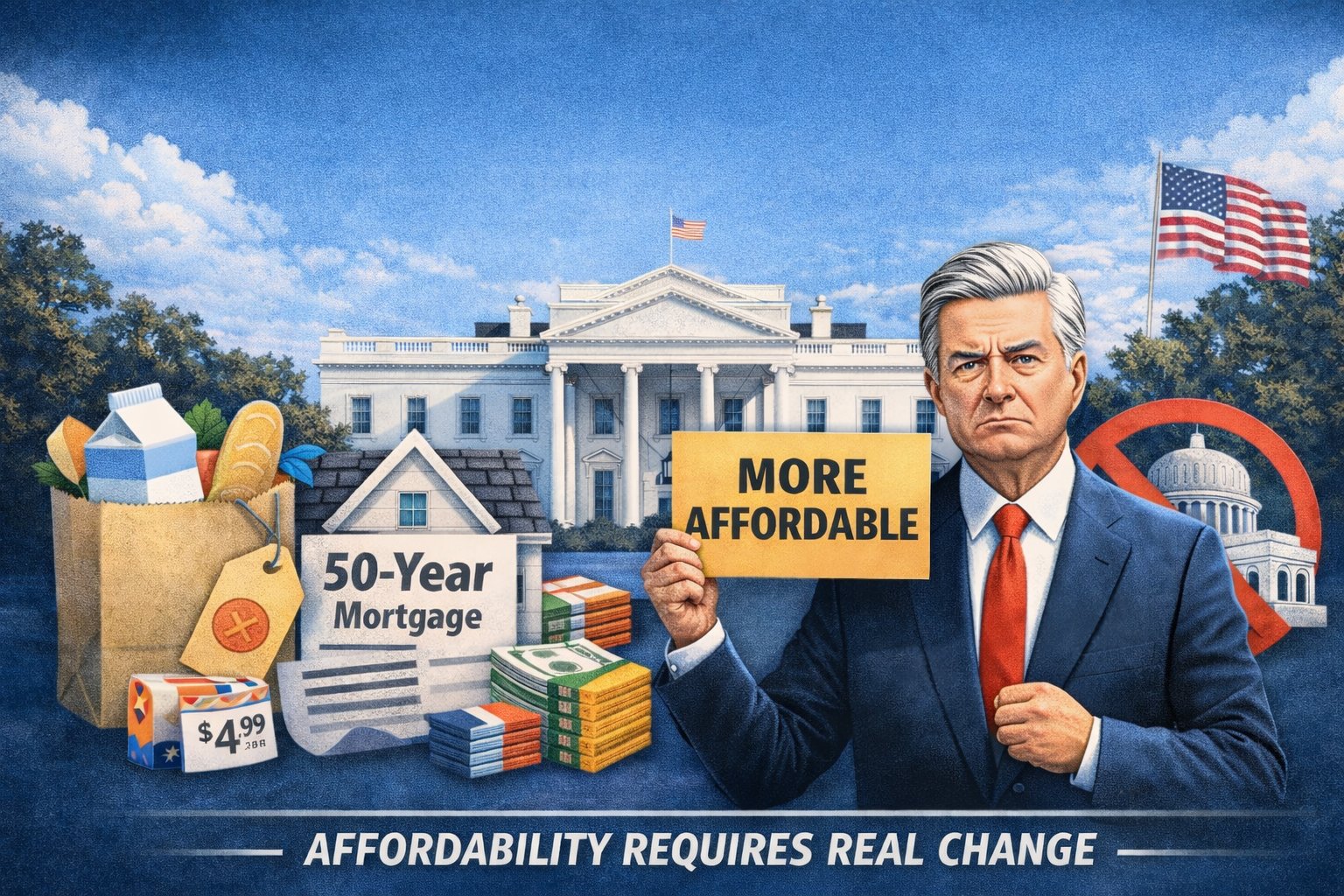
There Is No Such Thing as an “Affordability President”
The core argument is that without addressing the root causes of inflation — namely, fiat money and fiscal imbalance — a political leader cannot meaningfully improve affordability. Any short-term tweaks or optics fail to reverse broad price trends.

Milton Friedman . . .
Milton Friedman remains one of the most influential economists of the twentieth century, not because he sought attention, but because he insisted on asking uncomfortable questions. At the center of his work was a simple but often ignored reality: government does not spend its own money.
Every dollar spent originates from taxpayers, borrowed funds, or newly created money. Friedman believed that once this truth is forgotten, spending can expand without meaningful restraint—especially when decisions are insulated from direct accountability.

White-Collar Work Is Being Reshaped
For decades, higher education was marketed as the surest path to career stability and long-term financial security. A degree was supposed to open doors, guarantee upward mobility, and protect workers from the economic volatility more commonly felt in blue-collar fields.
Yet the latest data tell a different story: one in four unemployed Americans now holds a college degree.
This isn’t a statistical anomaly. It’s a signal—a sign that the white-collar job market is undergoing structural change, and that the assumptions many households built their financial lives around no longer hold the way they once did.

The Middle Class Is Cracking
For years, people have argued over whether the American middle class is shrinking, growing, or simply evolving. But the real issue isn’t a statistic — it’s the lived reality. As Charles Hugh Smith recently explained, the middle class is cracking not because of one number, but because the foundations that once defined a stable middle-class life have weakened. The result is a widening gap between income and security, between what people earn and what it truly costs to maintain a resilient financial life.
Today, middle-class status is no longer about a certain salary — it’s about owning the kinds of assets that can survive inflation, market cycles, recessions, and the unexpected shocks life throws at us. And that is becoming harder for families to achieve.
The FED De-Coded
Most investors sense that the financial world has shifted. Inflation remains stubbornly high, asset prices are stretched, and geopolitical tensions have reshaped the global landscape. But underneath all of these visible stresses sits a deeper, more structural issue—one that rarely makes the nightly news yet quietly shapes everything from interest rates to retirement portfolios.
The Fed Hawks’ Dangerous Gamble
Every time I read another Federal Reserve analysis, I’m reminded why my confidence in the Fed has eroded over the years. Their models, their assumptions, their track record — all of it points to a policymaking institution consistently behind the curve, consistently misreading risk, and consistently underestimating the fragility of the financial system they helped inflate. This latest fixation on tariff-driven inflation is just more evidence that the Fed is focused on the wrong threat at the wrong time.

The World Financial System Is Entering a Period of Disorder
We are entering an era where clarity, risk awareness, sober mathematics, and defensive positioning will matter more than ever before in our careers. I do not pretend to know the exact timing or sequence of each shock — nobody does. But I do know this: the conditions for disorder are already baked into the structure.